







Airline scams landing travelers in financial turbulence
Airline scams are popping up everywhere, turning unbelievable deals into unbelievably expensive mistakes. Before you book anything, learn how these scams work and how Norton 360 Deluxe can help you verify whether that flight deal is legitimate or a trap.




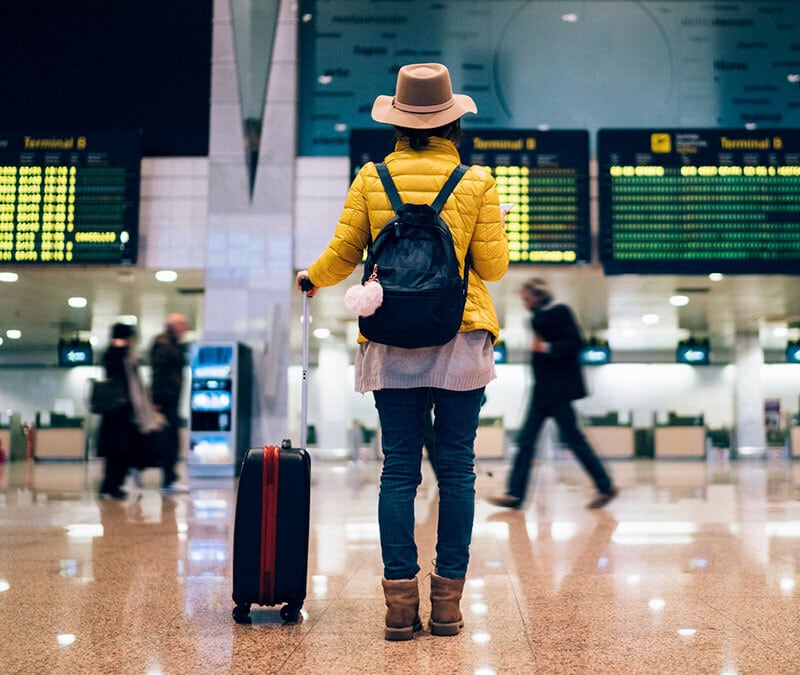

Imagine scoring a $99 flight to Hawaii — the kind of deal that seems almost too good to pass up. You enter your payment details, hit confirm, and start planning your trip. Then reality hits: the ticket never existed, your money is gone, and you're stuck without a flight or a refund.
Airline scams are becoming increasingly sophisticated, infiltrating inboxes and travel sites like stowaways. Discover the sneaky tricks scammers use, how to spot the red flags, and how to protect your wallet before your dream deal turns into a turbulence-filled mess.
How “can’t-miss offers” turn into your wallet’s worst layover
It begins with a headline you can’t resist: “$99 flight to Bali. Today only!”
But here's the catch: If a price makes your eyes do a double-take, that’s a red flag waving. Scammers are using the illusion of insane deals to trick travellers into ticket fraud. From exclusive flash sales on social media to phony booking sites listing flights at a fraction of official airline prices, scammers have mastered all travel booking scams.
And yes, this is happening in real life. One Reddit user shared their experience trying to purchase a $94 flight deal from what they thought was a legitimate site. However, after booking, they discovered the transaction hadn't actually gone through. When they tried to rebook, the price had mysteriously jumped to $191. And since the site imposed a $75 cancellation fee, they'd lose money either way.
The sneaky scams hitting travelers right now
From ticket fraud to impostors mimicking real airline support to hijacked loyalty accounts, scammers are using all sorts of tricks. Let’s walk through what to look out for.
Fake booking websites
Scammers create sites that look nearly identical to real airline or travel agency pages. They’ll have the same logo, a slightly off URL, or an odd country code.
When you book, you’ll receive a confirmation email that seems genuine, but upon arrival at the airport, your ticket may not exist, or someone may have cancelled it without warning.
Phony customer service numbers
The scam doesn’t stop at fake websites. Some fraudsters set up phone numbers that appear to be for real airlines via ads or fake Google listings. Once you call, you’re told “you need to pay a re-booking fee” or “we just need your card details again.”
One Reddit user fell for a United Airlines support scam and nearly paid $150 to a scammer to solve the issue — an extra letter in front of their name on the ticket. When they finally contacted the real United Airlines, the issue was fixed immediately at no charge.
Phishing emails and texts
Another door scammers slip through is fake emails with phishing links and text messages posing to be from an airline. They might say: “Your flight is cancelled! Click here to re-book.” But the link leads you to a spoofed page that steals your login details or credit card info.
Once they have that, they can shop with your card, redeem your miles, or dump your identity. If you receive an urgent-sounding message, pause and check with the airline directly.
Social media impostors
Ever complain on X or Facebook about your flight and then get a customer service DM from the airline? That could be a scam. Fake airline accounts often hunt people posting issues and respond with “We’ll help you. Just send your booking number/payment info.”
They move fast, hoping you won’t notice the slightly off username or missing verification badge. Always double-check the account before replying, and never hand over payment details in a DM.
Frequent-flyer mile theft
Your points and miles aren’t safe either. Scammers break into loyalty programs, reuse info from data breaches, or use phishing emails pretending to be from the airline’s loyalty team. Once inside, they redeem the miles for flights, upgrades, or gift cards, leaving you with nothing.
It’s a growing problem worldwide. Around 800 flyers of Qantas Airways were affected when insiders at a partner organization raided their accounts and transferred miles.
How to protect yourself from airline scams
Scammers love to play on your excitement or panic, so the best defense is a little caution and clarity. Here are a couple of things you can use to avoid airline scams and keep your money where it belongs.
Verify everything
Whenever you’re booking a flight, don’t click on random ads, SMS links, or mysterious pop-ups. Open the airline’s official app or type the URL yourself. Verify that the site uses HTTPS, has a proper contact page, and that its social media accounts have badge verification.
A fake airline website may mimic the look of the real one, but it often has a slightly different URL, odd spelling, or no real customer-service links. Always double-check before entering your card or sensitive info.
Trust your gut (and your credit card)
Many scams thrive on urgency or the thrill of a bargain. If a deal looks way better than every other option or you’re being pressured to buy tickets, your gut should yell “hold up.”
Also, be cautious if the payment method feels sketchy. Gift cards, wire transfers, Venmo, and crypto are all major red flags. Using a credit card provides extra protection, as you can dispute payments and benefit from better fraud safeguards compared to paying via bank transfer or cryptocurrency.
What to do if you are scammed
If a fake booking site, phony support number, or a fake flight cancellation message tricks you, you still have options. Airline ticket scams move quickly, but so can you.
Here’s what to do if you get scammed:
- Contact your bank or credit card company: Block the charge and initiate the dispute process immediately.
- Change your passwords: Update your airline, email, and payment account logins to shut out the scammer.
- Enable two-factor authentication (2FA): Add an extra layer of protection with 2FA to prevent unauthorized access to your accounts.
- Gather proof: Save screenshots, emails, texts, and receipts to document what happened.
- Report the scam: Notify the FTC, IC3, the airline, or the platform involved.
Your info deserves first-class protection
From look-alike fake airlines to mystery calls that make you wonder why United Processing is calling you, it's increasingly difficult to tell what's legitimate. Norton 360 Deluxe can help keep you a step ahead by blocking sketchy sites, catching potential scams, and keeping your personal information locked down so you can travel (and book) with confidence.
FAQs
How do I know if someone is a ticket scammer?
If the price is unrealistically low, the seller pushes for quick payment, or they want sketchy methods like wire transfers or gift cards, it’s likely a scam.
Can airline scams happen through travel apps?
Yes, scammers can mimic real apps or use fake ads that lead you to fraudulent versions, so always download from the official app store.
How can I verify if a ticket is real?
Check the booking directly on the airline’s official website or app using the confirmation number. If it doesn’t show up, it’s not legit.
What should I do if my flight details were leaked online?
Change your passwords, enable 2FA, and contact the airline to secure your booking and watch for unauthorized changes.
Editors’ note: Our articles offer educational information and are written to raise awareness about important topics in Cyber Safety. Norton products and services may not protect against every type of threat, fraud, or crime we write about. For more details about how we research, write, and review our articles, see our Editorial Policy.






Want more?
Follow us for all the latest news, tips, and updates.