







IRS scam calls: How to tell if an IRS call is fake
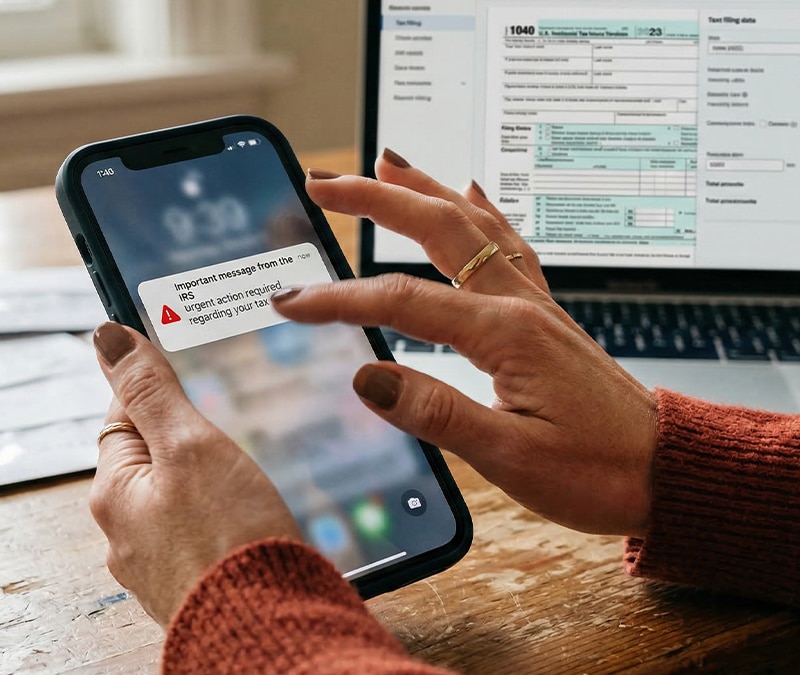
IRS scam calls trick taxpayers into sending money or sharing sensitive information under false pretenses, often using fear or urgency tactics. Learn how to tell if an unexpected call claiming to be from the IRS is really a scammer. Then, boost your defenses against scams with all-in-one cybersecurity and identity theft protection.





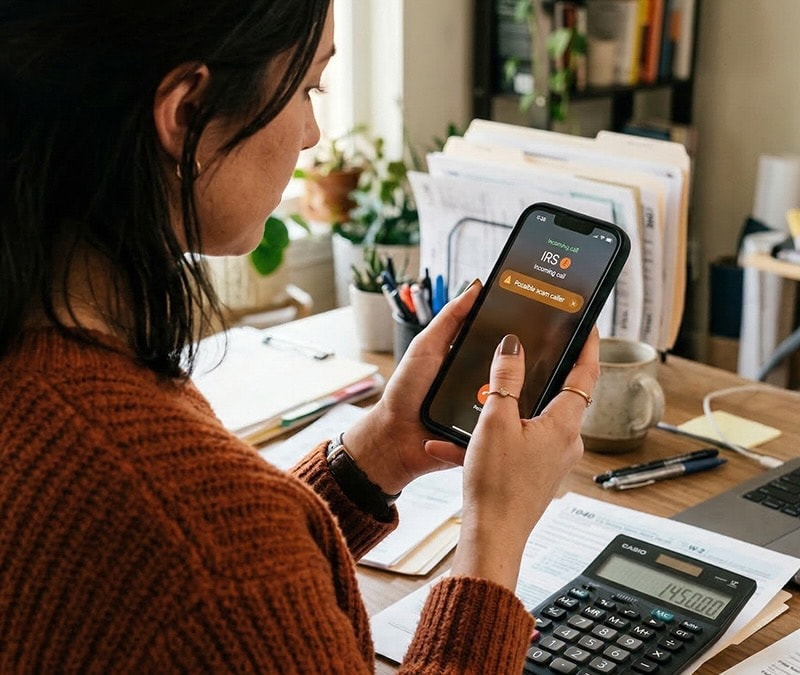

In January 2026, the IRS reported a wave of complaints about phone calls claiming recipients owed back taxes. But it wasn’t the IRS calling — it was scammers posing as the IRS with official-sounding names, like the “Tax Resolution Oversight Department.”
Survey data on tax scams from Gen (the company behind Norton) provides concrete evidence that IRS scams have become a major problem: among U.S. respondents, 17% claimed they’d encountered a tax scam, and 29% of them said it was a fraudulent call.
There are countless IRS scam call schemes run by fraudsters hoping to trick you into sending them cash or personal details they can use to steal your identity. Understanding how they work can help you defend against them this tax season, and beyond.
How IRS scam calls work
IRS scam calls are typically designed to create a sense of fear or urgency. The scammer’s goal is to pressure you into acting quickly so you’ll give them what they want before you can verify they are who they claim to be. Here’s how a common IRS tax scam works.
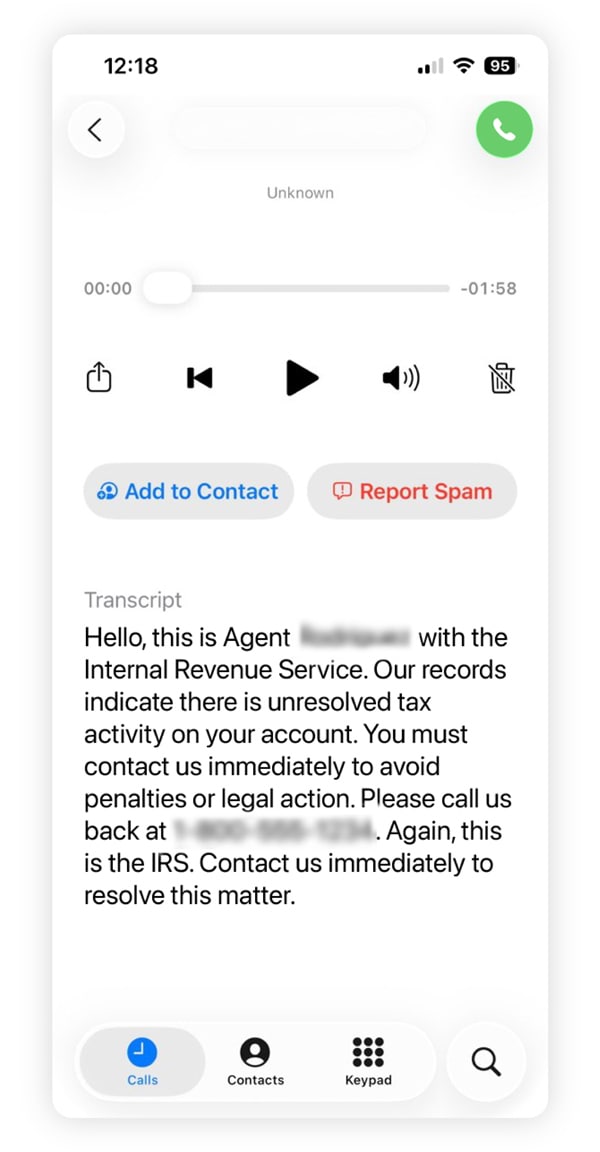
- A threatening call comes first: Scammers impersonate IRS officials and claim you owe back taxes or have “unresolved tax activity.” They might threaten fines, arrest, jail time, deportation, or driver’s license suspension if you don’t pay immediately. The real IRS does not use threats like these.
- The scammer builds trust: Scammers may have spoofed their caller ID to display “Internal Revenue Service” or another real entity. And they might already know basic personal details like your name or the last four digits of your Social Security number, perhaps having found them on data broker websites, social media, or the dark web if you were caught up in a data breach.
- They push for information or payment: Scammers try to trick you into sharing sensitive or financial information, like your SSN or bank details, which they can use to commit identity theft, including filing fraudulent tax returns in your name. Alternatively, they might demand immediate payment via gift cards, wire transfers, or cash apps.
Signs of fake IRS calls
Fake IRS calls are easy to spot if you know what to look for. Common red flags include the IRS calling without first sending a mailed letter, requests for payment or sensitive information, and threats that create an undue sense of urgency.
Here’s some more information about common signs you’re dealing with an IRS scammer.
The “IRS” is calling you
Be cautious if you receive an unexpected phone call from someone claiming to be an IRS agent. The IRS has guidelines for how they contact taxpayers, and they will almost always first reach out via mail delivered by the USPS, not with a phone call. While there are rare exceptions, like criminal investigations, an unsolicited IRS call is far more likely to be a scam than legitimate.
In one Reddit post, a taxpayer described receiving repeated calls warning of “unresolved tax activity” tied to supposed public records. Despite filing taxes every year, working with an accountant, and receiving refunds without issue, the calls kept coming, and they had never received an IRS notice by mail. The consensus: the calls were scams designed to create doubt and panic, not legitimate IRS outreach.
The caller wants you to pay right now
The IRS will not demand immediate payment from taxpayers or that payment is made in a specific way. Scammers, though, might make you think that you need to make a payment immediately, even while you’re still on the phone with them.
Scammers might also request payments are made using unconventional methods, like a gift card. But the IRS doesn’t accept gift cards or prepaid debit cards as payment, so if anyone claiming to be from the IRS asks you to use these payment methods, it’s a scam.
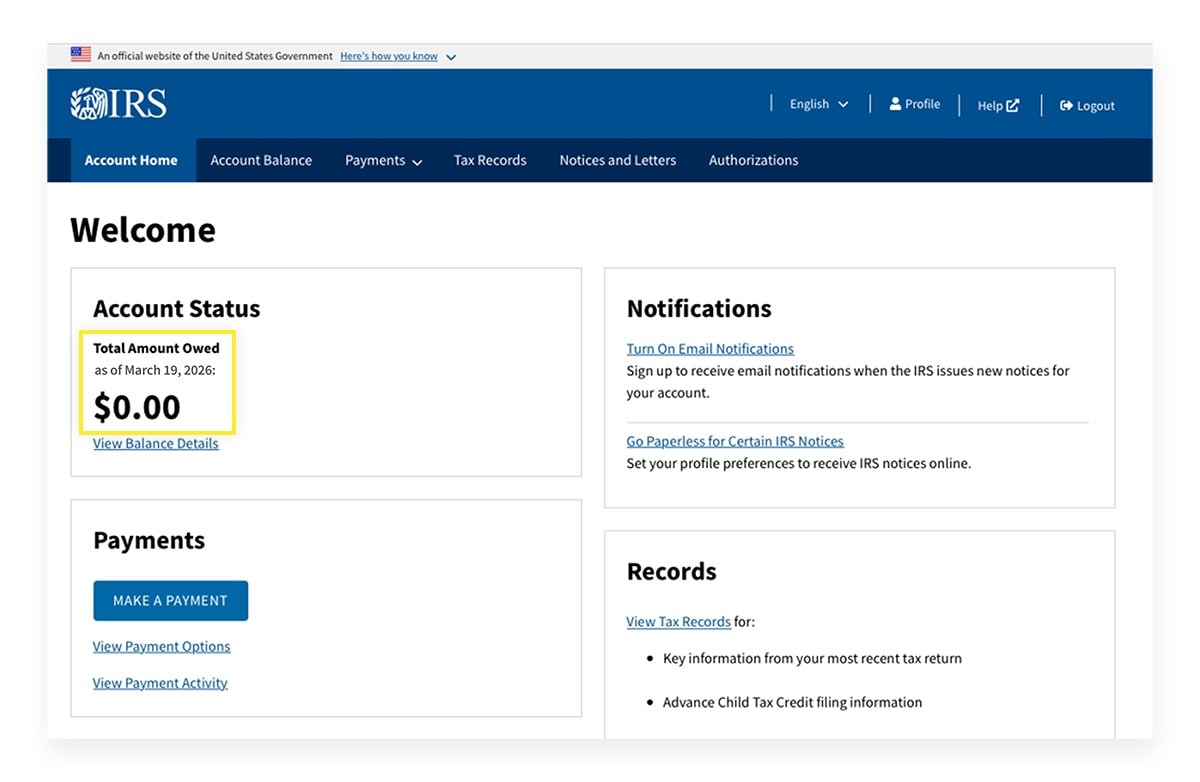
If you actually owe the IRS money, you’ll first receive a bill in the mail. Plus, you’ll typically be able to see any outstanding payments in your online IRS account.
The caller doesn’t give you a chance to think
If a person claiming to be an IRS representative doesn’t give you the opportunity to question or appeal the amount you supposedly owe, be careful. Forcing people to make quick decisions is another sign of a scammer.
Criminals want you to make a decision while you are in panic mode, when you’re more likely to fall for the scam and send in a payment. The IRS will always give you the opportunity to prove that you don’t owe what they claim you do, and won’t use pushy language.
The caller threatens you with arrest
The IRS won’t threaten to have you arrested, deported, or have your driver’s license or business license revoked. These threats are standard tricks used by scammers to bully you into sending them money or personal information.
The caller tells you about a special tax relief program
Tax relief scam calls promise to “eliminate” debt if you pay a small portion of it today, claiming it’s a “new” tax program. They pressure you into making an immediate payment, hoping you’ve already received an official notice from the IRS about money you owe.
The IRS will never call you to inform you of newly enacted tax relief programs, so check their website for official announcements.
Will the IRS ever call you?
The official IRS website says that the IRS will “typically contact you the first time by mail,” but there are some rare exceptions where they might call you first. In certain cases, the IRS also uses automated calls that direct you to IRS.gov to securely review your account or resolve an issue.
However, the IRS will never:
- Demand payment by gift cards, prepaid debit cards, or crypto.
- Threaten arrest, deportation, or license revocation.
- Make automated calls that pressure you or direct you to non-IRS websites.
- Mail ads promising “tax debt resolution” services.
If you’re ever in doubt about whether an IRS call is real, err on the side of caution, hang up, and go directly to IRS.gov.
What to do if you get an IRS scam call
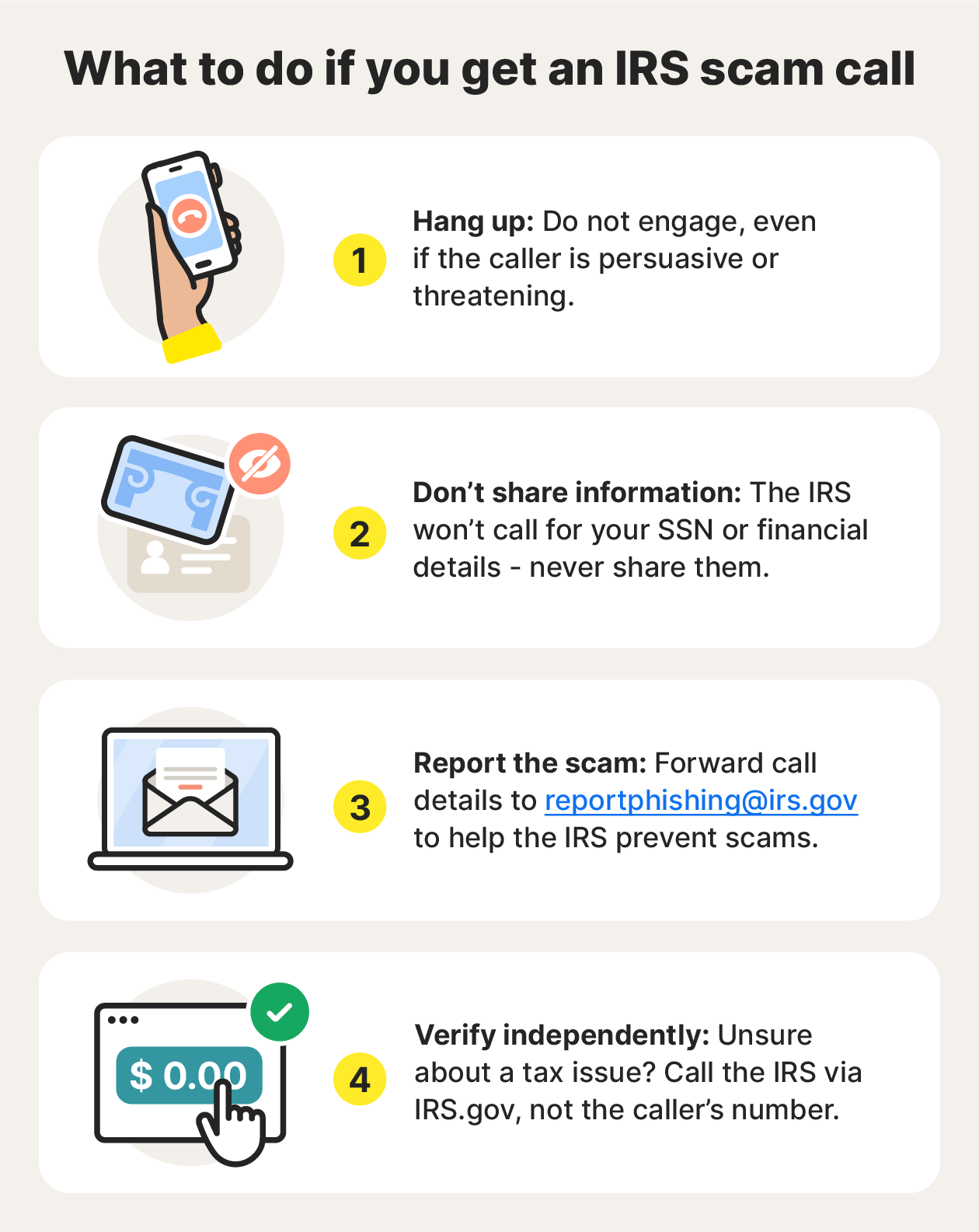
If you receive a call claiming to be from the IRS and something feels off, disengage and verify the situation through official channels. Here’s a step-by-step process to follow if you’re suspicious:
- Hang up: Do not continue the conversation, even if the caller sounds convincing or threatening.
- Don’t share information: Never provide your Social Security number, bank details, or other personal or financial information over the phone. The IRS will not call asking for this information.
- Report the scam: Send details of the call to reportphishing@irs.gov to help the IRS track and stop scams.
- Verify independently: If you’re unsure whether there’s a real tax issue, contact the IRS directly using phone numbers listed on IRS.gov, not the number that called you.
If you’ve already sent a scammer money, contact your bank, credit card company, or payment provider to report the fraud and request a reversal if possible. You should also file a report with the FTC at reportfraud.ftc.gov and monitor your credit for signs of identity theft.
Safeguard your information from scammers
IRS scam calls are designed to scare you into giving up money or personal information. But simple steps like knowing that scammers are out to trick you, being cautious of unsolicited calls, and always verifying claims of tax issues through official IRS channels before taking action can all keep you safer.
For additional protection and peace of mind, Norton 360 with LifeLock includes an AI-powered scam detection assistant, identity and SSN alerts that can alert you to signs of identity theft, and dark web and credit monitoring that can help you spot threats before they spiral out of control.
FAQs
What are common IRS scam numbers?
There isn’t a single “IRS scam number,” but common patterns include toll-free numbers, numbers starting with 877, 888, or 800, or local numbers that match your area code. And scammers will often spoof the caller ID to make it look like the IRS or another government agency is calling, so the number displayed may seem legitimate. Because scammers can make any number appear on your phone, don’t rely on caller ID to verify a call.
Are there other types of IRS-related scams I should watch for?
Yes. IRS scams aren’t limited to phone calls. Scammers may also use phishing emails or fake texts claiming you owe taxes or are due a refund, fake IRS letters or notices sent by mail, and spoofed websites designed to look like official IRS services like the Taxpayer Advocate Service. They may also send social media messages claiming tax issues or use online ads promising “tax debt relief.”
What does a real IRS call sound like?
A legitimate IRS call is professional, calm, and limited in scope. The IRS rarely calls taxpayers by phone and will never threaten arrest, deportation, or license suspension. They typically leave a message directing you to IRS.gov or ask you to call them back using official IRS numbers. Real calls don’t demand immediate payment, request gift cards, or pressure you to share sensitive personal or financial information.
How can I find out if there is a legitimate issue with my taxes?
The safest way to check for a legitimate tax issue is to go directly to IRS.gov and log in to your IRS online account, where you can view notices, balances, and payment history. You can also review any official letters sent by mail. If you’re unsure, contact the IRS using the phone number listed on IRS.gov or consult your tax professional.
Editors’ note: Our articles offer educational information and are written to raise awareness about important topics in Cyber Safety. Norton products and services may not protect against every type of threat, fraud, or crime we write about. For more details about how we research, write, and review our articles, see our Editorial Policy.







Want more?
Follow us for all the latest news, tips, and updates.