Woman relaxing in a blue hammock by a pool, using a laptop and smartphone to check financial charts, in a tropical outdoor setting.
icon financial wellness

Financial wellness in a digital world

True financial wellness goes beyond budgeting and saving. It’s about protecting your money, identity, and long-term financial stability in a world where most financial activity, and risk, is now online — from online payments and banking apps to identity theft and fraud. Browse through our library of financial articles to see how Norton Money can help you progress on the road to financial security and freedom.


More than money management

Budgeting, saving, reducing debt, and investing lie at the core of financial wellness. But, while these fundamentals still matter, they’re no longer enough. Today, your financial health is shaped just as much by your digital habits, credit visibility, and exposure to online threats.

An image depicting budgeting in the form of a notebook and envelopes of money.

Budgeting

Financial wellness begins with knowing where your money goes. Creating a realistic budgettracking expenses, and reducing debt lay the groundwork for stronger credit and long-term stability. Mastering these core habits helps you stay in control today while building a more secure financial future.


A woman using a computer and calculator to explore credit and borrowing options.

Credit & borrowing

Your credit profile shapes everything from loan approvals to interest rates. Understanding how credit scores work, reviewing your credit report, and learning strategies for paying off credit card debt and managing debt responsibly can help you avoid costly mistakes and strengthen your long-term financial position.

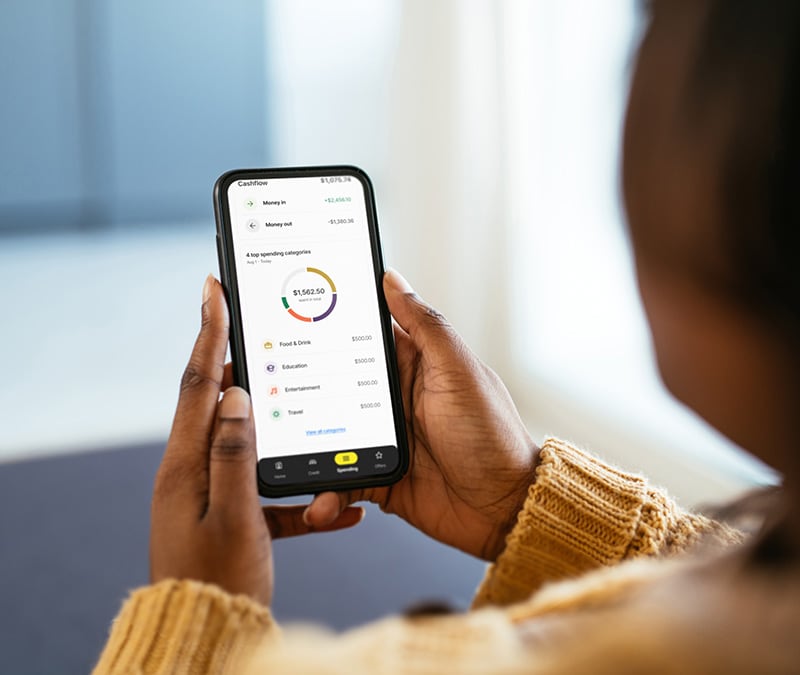
Someone using a mobile banking app on their iPhone.

Digital banking

Managing money now happens largely online, from payment apps to investing platforms. Knowing how to practice safe mobile banking and learning what cryptocurrency is and how it works can help you navigate digital finance with greater confidence while reducing security risks.

A woman confidently shopping online knowing she has strong financial protection and security in place.

Protection and security

Years of strong money habits can be undone by fraud or identity theft. Staying financially secure means understanding common scammer tactics and adopting proven ways to avoid identity theft before problems arise. A proactive approach to account security helps protect the progress you’ve worked hard to build.

Must-read financial wellness articles icon

Must-read financial wellness articles


Financial foundations quiz

Think you’re smart with money? Take our financial foundations quiz to test the extent of your knowledge. Read the question and click on the answer you think is closest to the truth1.

What does financial wellness actually mean today?

A. Managing a budget, saving money, and avoiding unnecessary debt.

Almost, but there’s more to it. Budgeting, saving, and avoiding debt all matter, but financial wellness today also includes protecting your identity, credit, and online activity from fraud and misuse. Managing money is only part of the picture.

B. Earning more income and building long-term wealth through investments.

That’s only part of it. Earning more money and investing can build wealth, but even a strong income can be undermined if your identity, credit, or financial accounts aren’t protected from fraud.

C. Understanding how your money, identity, and online activity are connected — and knowing how to protect all three.

Nice work. Financial wellness today goes beyond budgeting and saving. It includes understanding how your money, identity, and online activity are connected — and taking steps to protect all three as part of long-term financial health.

D. Using financial tools and apps to automate payments and investments.

Close — but it goes beyond convenience. Automation can help manage finances, but financial wellness today also includes protecting your identity, credit, and online activity from fraud and misuse.

Want to learn more? Check out our comprehensive guides on identity theft, and internet scams

How can a budget help without feeling restrictive?

A. By setting strict spending limits that prevent unnecessary purchases.

Budgeting doesn’t have to feel restrictive. Budgets work best when they create awareness of how money flows in and out, helping you make intentional choices rather than simply blocking certain purchases.

B. By tracking income and expenses so you understand where your money actually goes and can plan ahead.

That’s right. A budget helps by creating visibility. When you understand where your money goes, you can plan ahead, avoid surprises, and make decisions with confidence without cutting out everything you enjoy.

C. By eliminating discretionary spending until financial goals are reached.

Close. However, cutting out all discretionary spending can make a budget harder to maintain. A sustainable budget usually includes room for both financial goals and everyday enjoyment.

D. By replacing personal judgment with automated financial rules.

Almost, but automation can’t replace awareness. A budget is most helpful when it helps you understand your spending patterns so you can make informed decisions, not when it removes your involvement entirely.

Want to learn more? Check out our comprehensive guides on how to set a budget, and how to track expenses

Why is tracking spending important for financial wellness?

A. It helps enforce strict spending limits and prevent any unnecessary purchases.

That’s only part of it. Tracking spending isn’t just about policing purchases. Its real value is showing where money actually goes over time, helping you notice patterns and make more informed financial decisions.

B. It reveals spending patterns, including small recurring expenses, so you can adjust habits and prioritize savings or debt repayment.

Exactly. Tracking spending helps uncover patterns that are easy to miss, especially small recurring costs. Seeing these patterns makes it easier to adjust habits, reduce unnecessary expenses, and redirect money toward priorities like savings or paying down debt.

C. It replaces the need for budgeting by automatically managing finances.

Close — but tracking and budgeting serve different roles. Tracking spending shows where your money goes, while budgeting helps you decide how you want to use it going forward.

D. It’s mainly useful for monitoring large purchases and major bills.

It’s broader than that. While large expenses matter, tracking spending is often most useful for revealing smaller recurring costs that add up and influence everyday financial habits.

Want to learn more? Check out our comprehensive guides on how to track expenses and how to cancel subscriptions.

What’s the safest way to build and improve credit?

A. Opening multiple credit accounts quickly to increase available credit.

Close, but opening several accounts at once can create risk. Multiple applications in a short period may lower your score temporarily and make accounts harder to manage. Building credit safely usually means adding accounts gradually and using them responsibly over time.

B. Using as much credit as possible to demonstrate active borrowing.

Not quite. Using a large portion of your credit limit can actually hurt your credit score. Lenders typically look for low credit utilization, which shows you can manage credit without relying heavily on it.

C. Gradually building credit by paying bills on time and keeping balances manageable.

That’s right. Building credit works best when it’s done gradually. Paying bills on time, keeping balances manageable, and understanding how credit scores are calculated helps strengthen your credit profile without taking on unnecessary risk.

D. Frequently checking credit scores to boost credit over time.

Good thinking, but that’s not what builds credit. Checking your score helps you stay informed, but credit improves through consistent habits like paying bills on time and keeping balances manageable.

Want to learn more? Check out our guides on what a credit score is, how to build credit, and how to increase your credit score

How does managing debt support long-term financial wellness?

A. It eliminates all debt immediately, regardless of interest rates or balances.

Not quite. Eliminating debt instantly isn’t usually realistic or necessary. Debt management focuses on prioritizing balances, reducing interest costs, and paying debt down steadily in a way that’s sustainable over time.

B. It helps reduce interest costs and financial pressure over time, creating more flexibility for other goals.

Yes! Managing debt reduces interest costs and financial pressure over time. Understanding balances, interest rates, and payoff options helps you regain flexibility and make progress toward other financial goals.

C. It allows you to avoid using credit entirely in the future.

Close, but managing debt doesn’t mean avoiding credit altogether. It’s about using credit responsibly, understanding repayment terms, and keeping borrowing manageable.

D. It mainly improves financial wellness by increasing credit limits.

That’s a misconception. Simply increasing credit limits doesn’t improve financial wellness and can sometimes encourage overspending. Debt management improves financial health by helping you pay down existing balances, reduce interest costs, and make debt more manageable over time.

Want to learn more? Check out our comprehensive guides on paying off credit card debt and how to get out of debt

Why is protecting your identity and credit part of financial wellness?

A. Because identity theft only affects people who make poor financial decisions.

Nope. Identity theft doesn’t depend on financial habits. Even people who budget carefully and manage credit responsibly can be targeted. Protecting your identity and credit helps reduce risk and limit financial damage if fraud occurs.

B. Because protecting your identity helps prevent fraud that can damage credit, drain accounts, and disrupt financial plans.

That’s right. Financial wellness isn’t just about making progress; it’s also about protecting it. Identity theft, fraud, and account takeovers can affect anyone and cause serious financial disruption, regardless of how well you budget or save.

C. Because identity protection replaces the need for budgeting and financial planning.

Definitely not. Identity protection supports financial wellness, but it doesn’t replace core money habits. Budgeting, saving, and planning still matter, while identity protection helps safeguard the progress you make.

D. Because monitoring credit automatically improves credit scores.

Unfortunately, no. Monitoring credit doesn’t improve your score on its own. Its value is helping you spot suspicious activity early, so fraud or errors don’t cause lasting financial damage.

Want to learn more? Check out our comprehensive guides on credit card hacking, sensitive data exposure, and credit monitoring services.

Help protect your finances from digital risks

Managing your money helps you make progress — but protecting it helps you maintain the momentum.

Today’s financial risks often stem from data breaches, account takeovers, fraud, scams, and identity misuse that can damage credit, drain accounts, and take months to resolve, which is why modern financial wellness hinges on visibility, early detection, and good security habits alongside budgeting, saving, and building credit.

  • Look out for unusual activity

    Look out for unusual activity 

    Review your bank, card, and investment accounts regularly so you can spot transactions you don’t recognize, amounts that seem off, or charges from unfamiliar merchants.

  • Get alerts on key account changes

    Get alerts on key account changes

    Turn on account, transaction, and balance alerts from your bank or card issuer so you’re notified quickly about large purchases, new payees, or low balances.

  • Monitor your credit health

    Monitor your credit health

    Check your credit reports and scores on a regular schedule to understand what lenders see, confirm that accounts and inquiries are accurate, and catch signs of misuse early.

  • Check suspicious requests

    Check suspicious requests

    Treat unexpected emails, texts, calls, or messages about your money with caution — avoid clicking links, use trusted contact details to verify requests, and never share one‑time codes or passwords.

  • Respond quickly

    Respond quickly

    If you spot a problem, contact your bank, card issuer, or lender right away with dates, amounts, and merchant names so they can investigate, freeze accounts if needed, and help limit further loss.

  • Plan ahead

    Plan ahead

    Build habits like reviewing statements, setting reminders for bills, and keeping an emergency buffer so unexpected issues are less likely to derail your long‑term financial plans.

Dig deeper into financial wellness

Dig deeper into financial wellness


How Norton can help protect your financial wellness

Norton Money helps you support and guard your financial wellness by pulling your eligible accounts into one secure view, highlighting key changes, and giving you timely insights into your credit and cash flow. Instead of spotting problems only after they’ve affected your balance or credit, Norton Money can help you notice issues earlier and take action with more confidence.

A financially well-informed couple.

Help prevent surprises

When you connect your eligible bank, credit card, and investment accounts, Norton Money surfaces large, unusual, or threshold‑breaking transactions so they’re harder to miss. That makes it easier to catch duplicate charges, unexpected withdrawals, or unfamiliar merchants before they snowball into overdrafts, fees, or a drained balance.

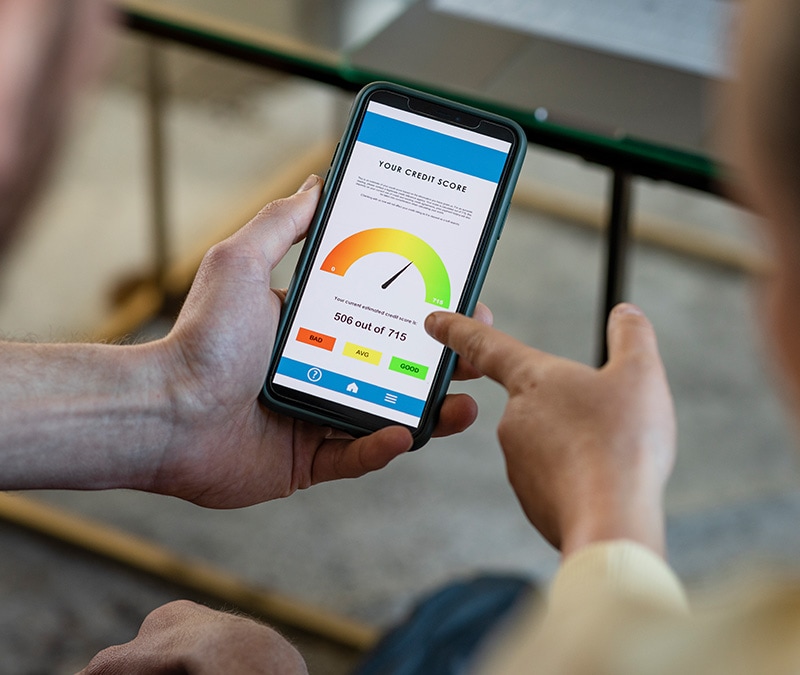
A credit report card depicting an "Excellent" credit score.

Protect your credit progress

Regular access to your credit report and score helps you see how your profile is changing, confirm that accounts and inquiries are accurate, and notice activity that doesn’t look familiar. Catching those changes early gives you more time to contact lenders, dispute errors, and protect big goals like home or auto loans.

Someone holding a stethoscope to a piggy bank, symbolizing monitoring financial health.

Keep your money in check

Subscriptions, automatic bill payments, and everyday card purchases add up quickly. Seeing recurring charges, upcoming payments, and recent spending together helps you avoid missed bills, surprise renewals, and gradual overspending. That visibility makes it easier to adjust your budget before small leaks turn into long‑term financial strain.

A concerned woman taking action having discovered a financial discrepancy in her bank statements.

Act quickly

If you spot a charge, transfer, or credit change that concerns you, having dates, amounts, and account details in one place makes it simpler to contact your bank, card issuer, or lender. Clear records help them investigate faster, freeze or replace cards if needed, and help you recover from a scam, fraud, or identity theft.

Bank on Norton

Connect your accounts, monitor your credit, and see exactly where your money goes — all in one secure dashboard. Norton Money helps you catch unusual activity early, understand your spending patterns, and stay on track toward your financial goals without being sidetracked by avoidable setbacks.

Explore more Cyber Safety topics

Learn how to stay safer online and help protect your digital privacy.

Want more?

Follow us for all the latest news, tips, and updates.

1This quiz was created by Norton’s Financial Wellness Editorial Team for general informational purposes only and is not intended to serve as financial or legal tax advice.