







Wrong number text scams: How they work and tips to spot them
A wrong number text scam usually starts with a seemingly harmless message and, all too often, ends with stolen data, drained bank accounts, or full-on identity theft. Learn how to spot these scams, what to do if you fall for one, and how you can double down on online safety with Norton.





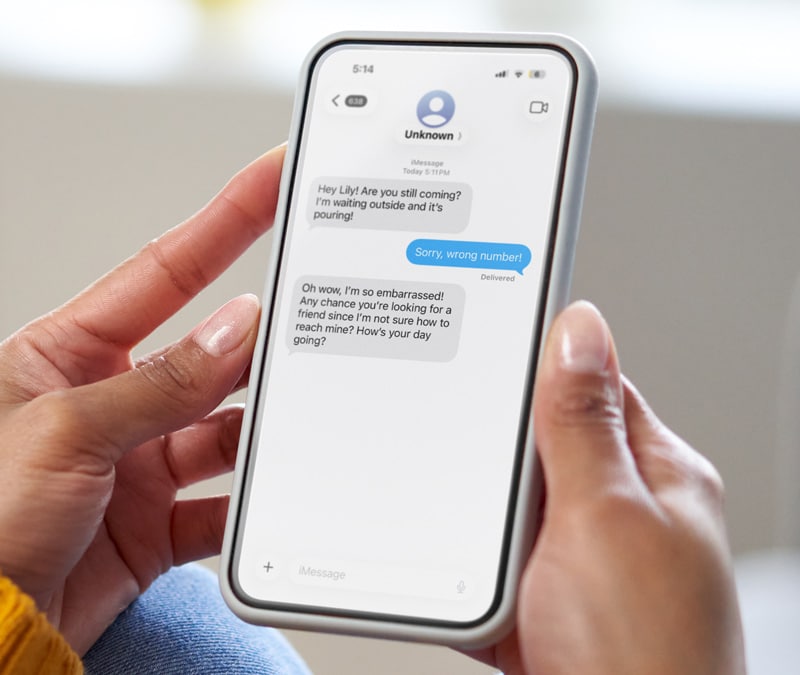

A wrong number text scam is a social engineering tactic where a scammer pretends to have texted you by mistake just to elicit a response — any response. Unlike smishing texts, which typically involve suspicious links and specific requests, wrong number text scams appear ordinary and vague. It can be something as simple as, “Hey, can you step away for a second?”
This “harmlessness” means recipients are more willing to reply and say the sender has the wrong number. This ultimately opens the door to serious risks such as pig-butchering, where an attacker gradually builds trust through friendly conversation and then pressures a victim into transferring a large amount of money.
The FTC lists wrong number texts among the five most common text message scams of 2024. However, the good news is it's easy to recognize and avoid these scams — here's how you can do it.
How a wrong number text scam works
Wrong number scams are increasingly effective because scammers can now use generative AI to create and send believable messages at scale. As Brian Cute, interim CEO of the Global Cyber Alliance, explains, “The messages won’t be riddled with typos and broken English that we now know to watch for; they will be polished, convincing, and relentless.”
And with AI also now able to create realistic voice clips and deepfakes, these scams can go far beyond a simple text. Here’s how a wrong number scam text typically works:
- The scammer initiates contact: This scam begins with a simple outreach. This can be a simple “Hey! How are you doing recently?” or something crafted to trigger empathy, such as “Hi, Anna! The funeral is on Monday.” The goal is to coax a response, either out of politeness, curiosity, or pity.
- You reply to the scam message: Once you reply, the scammer first confirms your number is active. If nothing else, they can sell that data on the dark web or use it for further scam attempts. At worst, the scammer continues engaging, positioning you for a more sophisticated fraud.
- The scammer tries to build a relationship: If you continue responding, the scammer ramps up the conversation, sending friendly messages, persistent check-ins, or personal stories aimed at establishing trust and lowering your guard. It may turn into personal data collection through probing questions under the guise of “getting to know you.”
- The scammer makes their final ask: Once they build a rapport, the scammer may shift to a request. This can be money for an “emergency,” a high-return crypto investment, or help with a financial issue. The scammer might also continue with probing questions until they get the target's private information. This is where victims face real financial and personal risk.
These wrong number scams almost always escalate into high-impact social engineering schemes such as fraudulent crypto investments, emergency cash requests through P2P payment apps like Zelle or PayPal, and even identity theft.
How to spot a wrong number scam text
Wrong-number text scams usually unfold in stages. They begin with an innocently vague message, continue after you point out the mistake, and eventually shift to suspicious questions or requests. Knowing the warning signs at each stage helps you shut down the conversation (or avoid engaging at all) as soon as you recognize the scam.
Below are some signs that the person texting you isn’t just mistaken, and is working an angle:
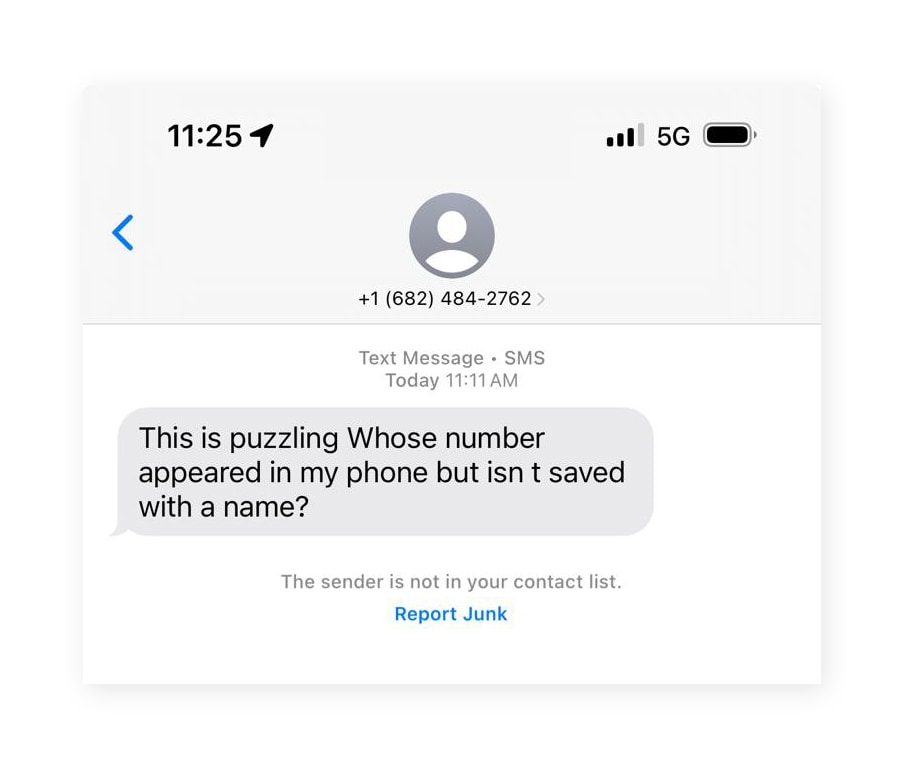
- Innocent opening message: You receive a short, oddly familiar message, such as “Hey, are we still on for lunch?”, “Can you step away for a second?”, or “Are u busy?” — purposely vague while eliciting a response.
- Persistent chatting after you tell them it’s the wrong number: You clarify the mix-up, but instead of ending the conversation, they continue it in any way they can — like, “That’s so embarrassing, I’m sorry.” — so you feel sorry for them and engage.
- Attempts to form a personal connection: Within a few messages, scammers switch to a friendly, get-to-know-you tone. They ask about your family, work, or hobbies to build rapport and groom you for longer schemes, such as romance scams. To keep the conversation going, they often avoid names or specific details, relying instead on vague prompts like “How are the kids?” or “Has work slowed down for you lately?”
- Potential shift to “opportunities”: Once the conversation feels comfortable, they introduce the hook: a crypto platform they swear by, a trading win they just had, or an investment they think will change your life.
- Requests for information: Sometimes the agenda isn’t obvious. Scammers may casually ask for details, such as your name or location, to collect more information. For example, this Redditor, was asked whether they lived in Los Angeles and was then invited to a golf outing after just three messages.
- Unsolicited links, images, documents, or QR codes: Eventually, wrong number scammers may send a link to “check out,” like an image that requires a download, or even a quishing QR code. The FBI has issued multiple alerts just this year about the risks posed by QR codes in suspicious texts, which can be used to install malware and steal data.
- Suspicious area code: The number might look local, but it isn’t tied to any region you recognize, or it comes from an international code that doesn’t match the texter’s backstory.
Examples of wrong number scam texts
There are likely thousands—if not more—variations of this scam. None of the messages below would be unusual to receive from someone you know or have contacted before, yet each one is designed to trigger the same reaction: “Who is this? It must be a wrong number.”
Here are a few real examples of wrong number scam texts:
- “Can you break away for a second?”
- “Are you usually so busy with work that you don’t have time to contact old friends?”
- “Hey! How are you doing recently?”
- “Are u busy”
- “Hello, I saw this number on my profile page, but the name isn’t showing up. May I ask who you are?”
- “Did anything interesting happen today?”
- “Hey, we exchanged contact info recently and I wanted to reconnect.”
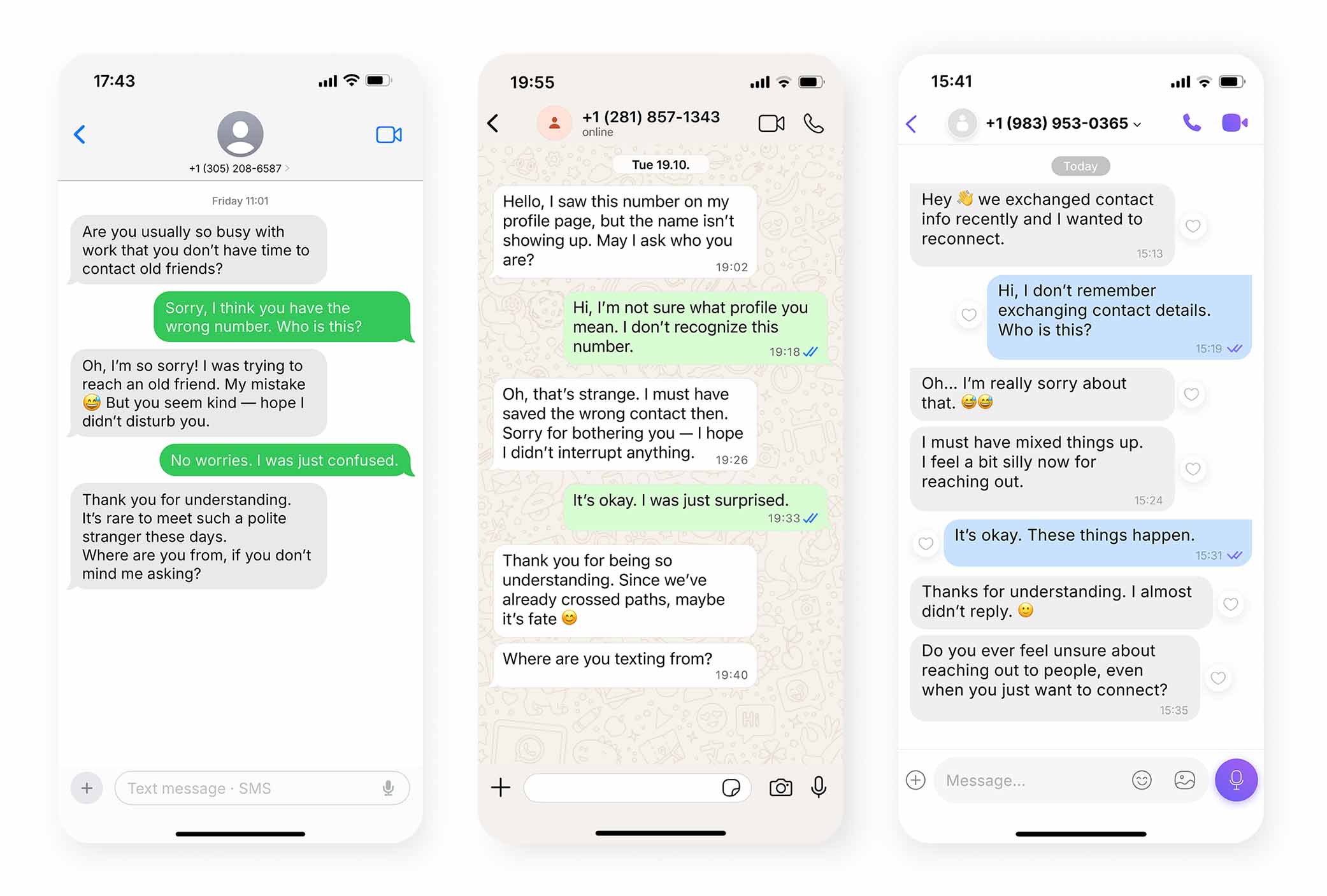
If you get a message like this from an unknown number, resist the urge to reply — by doing so, you verify your number is active and invite the scammer to continue targeting you. In some extreme cases, the scammer may even resort to name-calling and explicit language to draw a response from you.
But, if a message is from a real friend or acquaintance, they’ll find another way to contact you.
How to protect yourself if you get a wrong number text message
If one of these texts shows up, the safest course of action is to ignore and delete it. And if you’re tempted to answer because the message might be from someone you know, remember that even a simple “wrong number” reply still validates your phone number. That one confirmation can lead to repeated attempts from other scammers.
Here are three ways to protect yourself from wrong-number text messages:
- Block and delete without responding: This prevents the sender from knowing they’ve reached a real person and stops the conversation before it can continue.
- Report the sender: Most carriers and phones let you flag suspicious texts, which helps filter out similar attempts.
- Increase account and device security: Turning on two-factor authentication, using strong passwords, and updating software regularly can be good protection if scammers try to escalate into getting you to install or scan something.
Use your phone’s built-in spam protection
Both iOS and Android also have built-in protections against spam for their messaging apps. And both have released some really advanced spam protection features that can sometimes save you the headache of determining whether random texts are just annoying spam or real scams:
- iOS 26 now includes automatic spam filters that scan for suspicious patterns in messages from unknown senders and move them directly into a dedicated “Spam” folder, separate from the standard “Unknown Senders” view.
- On Android devices, you get AI-powered scam detection that analyzes the content of a text in real time and warns you if it appears risky.
These tools won’t stop spam texts entirely, but they do add a useful layer of protection against unwanted messages that double as scams.
What to do if you engaged with the scam texter
If you did engage with a wrong number scammer, stop responding immediately and block the number. If you haven't shared sensitive information, you're likely safe — it just might mean you’ll be contacted again, since you’ve shown your number is active.
However, if you’ve shared personal information or clicked suspicious links, update your passwords and file a report with your bank, credit bureaus, and consumer protection agencies — especially if you gave up some financial data.
The steps below can help you de-escalate the situation and protect yourself:
- Stop responding immediately: By ending the conversation, you prevent the scammer from gaining further access to your data or sending you malware or phishing links.
- Block the texter: As soon as you realize the sender isn’t who they claim to be, block the number so they can’t reach you again. And if you plan to delete the conversation, be sure to take screenshots for evidence.
- Look for signs of identity theft or unusual account activity: Scan your bank, email, and social accounts for login alerts, password reset attempts, or transactions you don’t recognize. Scammers may hack your social accounts and demand a small ransom in exchange for regaining access.
- Place a fraud alert or credit freeze if needed: If the interaction got personal — names, addresses, financial details — adding a fraud alert or temporarily freezing your credit can prevent new accounts from being opened in your, or a family member’s, name.
- Report the scam: Notify your mobile carrier, file a complaint with consumer protection agencies, and submit the incident through fraud-reporting portals. You can either forward the text to 7726 (SPAM) or file a report at ReportFraud.ftc.gov.
Detect scams and malicious activity with Norton
Even if you recognize the red flags, wrong number text scams can still put you in a difficult situation. These messages are designed to seem harmless, and you often only realize something is off after you’ve already responded.
Use Norton 360 Deluxe’s AI-powered scam detection tools to check messages for common scam patterns and malicious links before you respond. You also get proactive alerts about emerging scam tactics and social engineering threats, so you can stay ahead of evolving schemes.
FAQs
How can I safely respond if I think a wrong number text is legitimate?
Anything from a number you don’t recognize is generally best left ignored. However, if you think the message might be from someone you know, verify it first through another trusted channel or friend. You can call them, text their saved number, reach out on social media, or ask a mutual friend what number they have saved before responding to the unknown sender.
Can scammers hack me just through texting?
No. A plain text message can’t hack your phone on its own, but replying, clicking a link, downloading a file, scanning a QR code, or sharing sensitive personal information can lead to malware infection and account takeovers.
Who is most at risk of wrong number text scams?
Scammers can target anyone, but they often focus on older adults who may be more trusting of unexpected outreach, and people who publicly share personal information online that can be used to personalize the scam.
What are some phone number area codes known for sending fake wrong number text messages?
Scammers often choose international numbers or spoofed caller IDs that mimic US area codes. Be cautious with texts from 3-digit international area codes such as 232, 268, 284, 473, 664, 649, 767, 809, 829, 849, and 876. Unfamiliar numbers that appear to match your own area code can also be shady, as scammers use caller ID spoofing to appear local.
Editors’ note: Our articles offer educational information and are written to raise awareness about important topics in Cyber Safety. Norton products and services may not protect against every type of threat, fraud, or crime we write about. For more details about how we research, write, and review our articles, see our Editorial Policy.




Want more?
Follow us for all the latest news, tips, and updates.