







What is a burner phone? A guide to how they work and when to use one
A burner phone is a cheap, prepaid phone with a SIM that’s not tied to a long-term plan. Today, you can do without the physical device and use apps that provide temporary, disposable numbers instead. Keep reading to learn more about burner phones and how Norton VPN can help you navigate the internet more anonymously.

2025
Consumer
Security Innovator




- How do burner phones work?
- Common reasons people use burner phones
- What burner phones can and can’t do
- Burner apps vs. physical burner phones
- How traceable burner phones really are
- Where to buy a burner phone or temporary number
- How to use a burner phone safely
- Alternatives to burner phones that protect your privacy
- Protect your phone and your privacy beyond a burner phone
- FAQs
A burner phone is a low-cost, basic phone often used to protect privacy or maintain anonymity. However, burner phones aren’t as untraceable as you might think, and they can even expose you to security risks.
This guide will explain how burner phones work, their pros and cons, and how to stay safe regardless of the type of phone you use.
How do burner phones work?
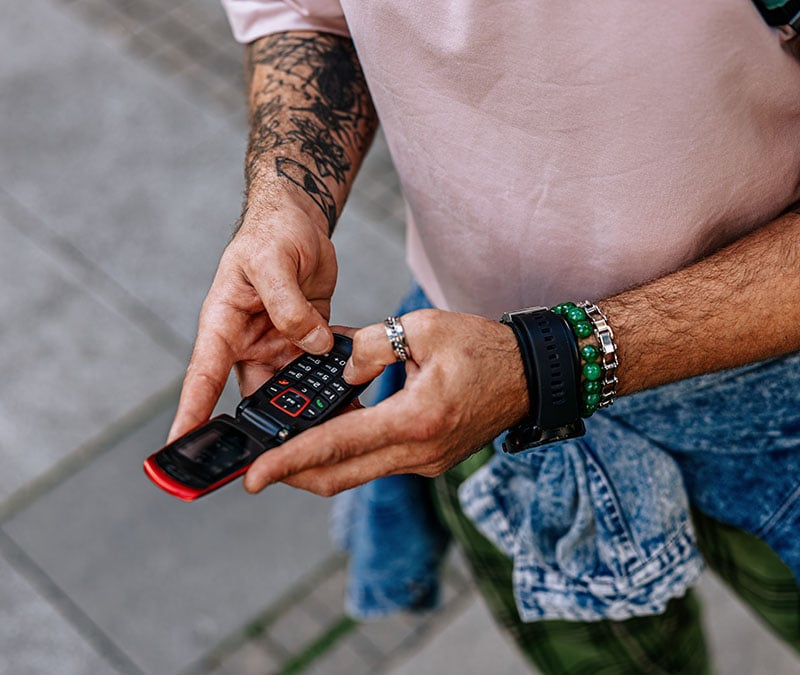
A burner phone works like a basic, low-feature phone. It’s designed to be used temporarily and then discarded (or “burned”) to avoid being linked to your activity. As they’re often older flip phones or low-end smartphones, standard features usually include basic calling, texting, and sometimes limited web browsing.
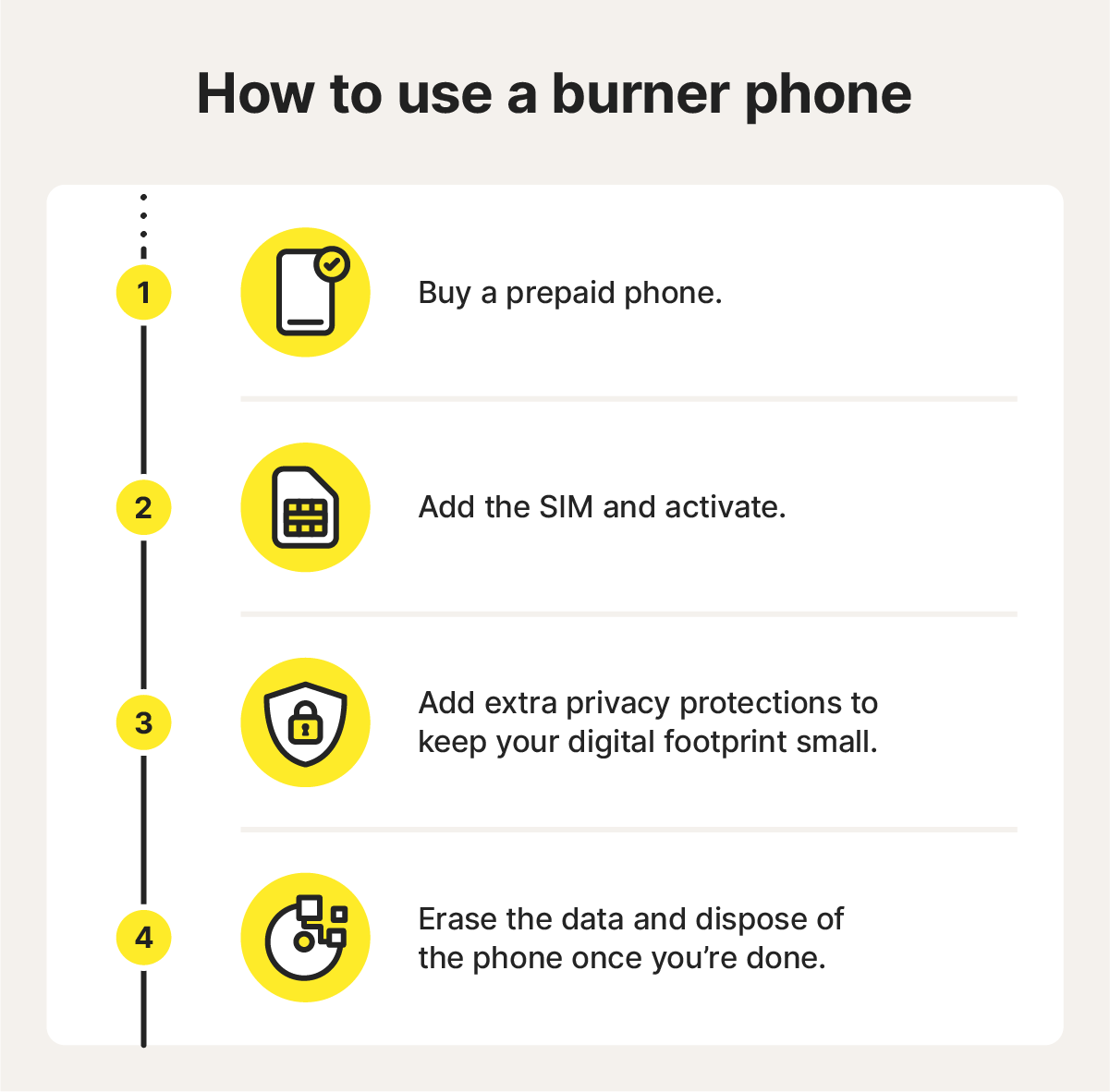
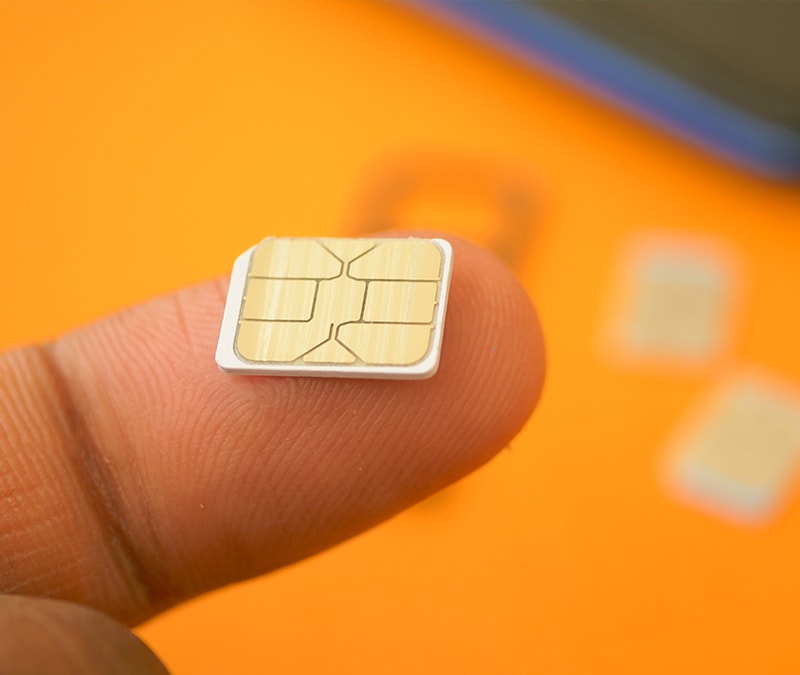
A typical burner phone relies on a prepaid SIM card purchased without a long-term contract. They’re often bought with cash at a convenience store, pharmacy, or big-box retail store to avoid linking purchase information.
A “burner” may also refer to a rotating temporary number on a smartphone, available via dedicated apps. Cycling through burner numbers using an app allows you to avoid discarding and replacing the entire device.
Common reasons people use burner phones
There are several legitimate reasons to use a burner phone, including travel, separating work and personal communication, and concerns about privacy or spam. Below, we break them down.
Protecting your privacy when dealing with strangers
You might use a burner phone if you need to deal with strangers on a regular basis. For example, you may sell goods on Craigslist or Facebook Marketplace and want to avoid publicizing your regular number, especially given the rise of Facebook scams.
Likewise, if you use dating apps, a burner phone can be a good way to protect yourself against romance scams or unsafe individuals tracking you down (i.e., cyberstalking).
Reducing spam and unwanted calls
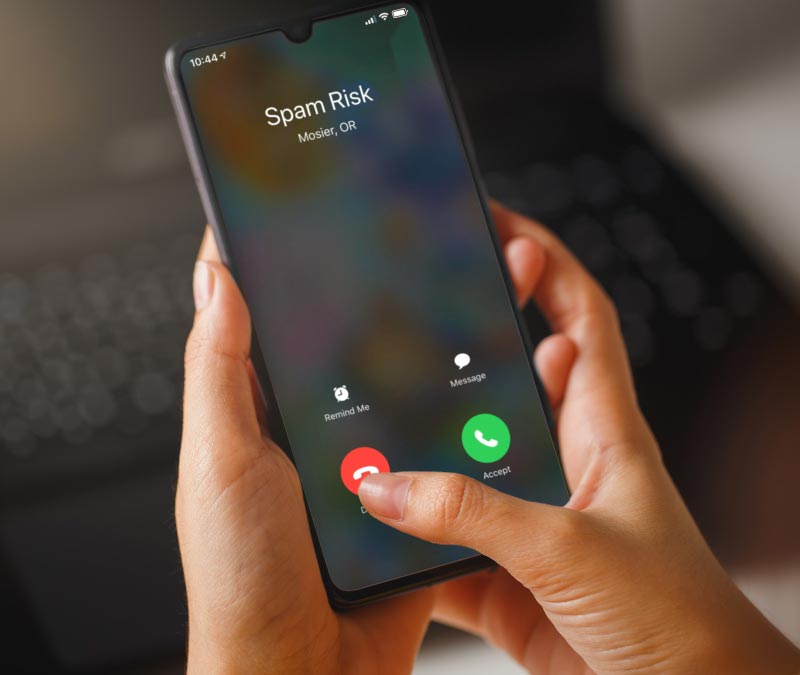
While the Do Not Call Registry exists, it’s not foolproof, so a burner phone can also help you avoid spam on your main number. Keep spammers away by putting a disposable number into:
- Online forms.
- Sign-up pages.
- Sweepstakes.
- Free trials.
All of these can be common sources of robocalls and text spam.
Separating your communication channels
Some people use a burner phone to keep their personal and professional lives separate. This can help maintain boundaries and protect your privacy: you can maintain a personal phone and a separate work phone for professional use.
If you engage in side gigs or freelance work, a burner phone can be a helpful way to keep that work separate from your day job. The same applies to instances where you may be hiring unfamiliar contractors or other workers and want to keep your private contact information safe.
Protecting your privacy during travel or high-risk situations
While some carriers allow you to use your phone abroad, it’s not always convenient, cost-effective, or safe — especially if your normal phone doesn’t have two SIM slots. That’s why some travelers opt for a burner phone for travel, choosing to purchase a local prepaid SIM card or a cheap prepaid phone while abroad, which allows them to avoid roaming costs.
Aside from travel, those concerned about surveillance or digital trails — such as journalists or activists — may use a temporary device to help prevent their phone from being linked to their identity and enhance their online privacy and safety.
It’s worth noting that some countries require identification for SIM purchases.
Engaging in criminal activity
If you’ve ever noticed burner phones in movies or TV shows, chances are something criminal, or at least sneaky, was being depicted. That’s because individuals with nefarious goals often do use burner phones to handle their business.
An example of criminal use is displayed in the ghost-tapping scheme. This scam involves cybercriminals stealing payment information and loading it onto mobile devices. Organized groups then sell those phones to criminal syndicates, which use them to purchase goods, and eventually resell stolen goods for a profit.
What burner phones can and can’t do
You might benefit from a burner phone if you want to separate communication channels, reduce spam, or purchase a phone without providing extensive personal information.
However, they’re not perfect; there are a few drawbacks to burner phones, including limited storage, durability, and performance.
Plus, a burner phone doesn’t make you invisible; your phone can still be tracked by law enforcement and other actors through cell tower connections and carrier metadata.
Where burner phones fall short
Burner phones have significant limitations regarding functionality, features, and security. These include:
- Limited features: Typically, burner phones only include the basics, like calling and rudimentary texting.
- Lack of modern protections: Burner phones often lack protections like security patches or biometrics.
- Outdated operating systems: Because burner phones are often cheap, older models, they may not support modern operating systems.
- Poor storage and durability: Due to their low-cost, low-functionality nature, these phones offer minimal storage and are not built to last beyond short-term use.
- Vulnerability to malware: Poor security and old operating systems can mean greater vulnerability to malware or other cyberthreats. Although very basic flip phones with no app ecosystem may actually be less exposed to malware.
Benefits of using a burner phone
Despite their limitations, burner phones offer several advantages for users seeking privacy and flexibility, including:
- Minimal personal information: Little to no personal information is required for setup.
- Communication separation: You can keep communications with contacts separate from strangers.
- Number privacy: Your primary phone number stays better protected from exposure.
- Easy disposal: Burner phones are simple to discard or replace when needed.
- Low upfront cost: They’re affordable compared to traditional phones and plans.
Burner apps vs. physical burner phones
If you want multiple phone numbers, you don’t have to use a physical burner phone. Instead, you could use an app to generate temporary numbers for your existing phone. These temporary Voice over Internet Protocol (VoIP) numbers can be cheaper over time and offer immediate access.
You can create several numbers without having to carry multiple phones, and because you’re using your regular phone, you’ll benefit from your standard security tools. However, these apps are inherently linked to your primary device’s identity and app store accounts, and some services may block VoIP numbers for verification.
A physical burner phone, on the other hand, offers hardware isolation. As a standalone device, it keeps your primary data and personal accounts physically separated from your burner activity. While networks can still track the device itself, your burner activity isn’t linked to your main digital footprint.
For simply avoiding spam or managing multiple contacts, an app is probably the better choice. For maximum privacy or protecting your identity in high-risk situations, a physical device purchased with cash remains the stronger option.
How traceable burner phones really are
The idea of burner phones being untraceable is a common myth. While a burner phone can help protect your privacy in some ways, it’s not a guarantee.
Phone carriers record metadata, including device identifiers, SIM card details, cell tower connections, and call or text logs (including duration and timestamps). It’s even possible to use tower triangulation to estimate your phone’s general location.
Additionally, if you’re in a country that requires ID to purchase a SIM card, a burner phone would be directly traceable to that ID.
Ways a burner phone can be traced
Burner phones can be traced in several ways, even if they seem untraceable at first. Carriers and networks generate data that can connect activity to a device or user, as can certain apps you might install. Here’s more detail on how burner phones can be traced:
- Cell towers: Mobile phones communicate with cell towers nearby, even if they’re not making calls. This generates metadata, which carriers retain.
- IP addresses: If you use Wi-Fi or mobile data, websites or apps can log the IP address. Carriers can associate IP addresses with a device or SIM card.
- App permissions: Apps might request access to your location, contacts, or other camera, which may be used for app functionality, or shared with third parties like advertisers or data brokers.
- OS vulnerabilities: Since most burner phones use outdated operating systems, they’re more vulnerable to malware and spyware, which can sometimes result in leaked location or IP address data.
- Physical access: If someone gains unauthorized access to your phone, they can view call logs, messages, and browsing history.
- Law enforcement requests: Carriers often retain metadata for years, and law enforcement may request it during criminal investigations.
Where to buy a burner phone or temporary number
Burner phones are simple to procure because they’re part of the prepaid phone market. They’re also low-cost, making them easily accessible to nearly anyone. You can choose a prepaid SIM based on your data and calling needs, too.
Here are a few common places to buy a burner phone and SIM:
- Convenience stores or pharmacies like 7-Eleven, CVS, or Walgreens.
- Major retailers such as Walmart or Target.
- Prepaid carrier kiosks.
- Online vendors like Amazon or prepaid carrier websites.
You can also use apps to generate temporary numbers. Just make sure you download a reputable app from the App Store or Google Play Store, so it has already been vetted.
How to use a burner phone safely
If you’ve decided to try a burner phone, it’s essential to take steps to protect your privacy and security. The primary purpose of a burner phone is usually to avoid leaving a digital trail, but it’s easy for people to inadvertently do so by logging into personal apps or using identifiable Wi-Fi networks.
To prevent this, avoid linking your burner phone to your personal accounts; don’t log into your personal email or social media from that device. Along those lines, avoid syncing your burner phone with your main phone, as this will immediately link the two devices together. And be mindful of which apps you install, as some can leak data.
When buying a burner phone, use cash to keep the transaction as unidentifiable as possible. Turn off location services right away, as GPS or Bluetooth (or other sensors) can reveal your location even if you’re not actively using them. If you plan to browse the internet, remember that the phone will expose its IP address.
Alternatives to burner phones that protect your privacy
If dealing with a burner phone sounds like a headache, you may want to consider a secure alternative if you still want added privacy. These alternatives are often easier to manage and more secure than handling a second device.
- Temporary phone numbers: Short-term, app-generated numbers to keep your real number private from strangers and random business accounts.
- Privacy-preserving apps: Apps that keep data encrypted and delete it quickly.
- VPNs: A VPN encrypts internet traffic and masks your IP address, preventing IP-based internet tracking and keeping your online activity private.
- Anti-tracking tools: Stop websites and apps from tracking you across the web.
- Mobile security apps: Protect against malware, phishing, scams, and other online threats.
Protect your phone and your privacy beyond a burner phone
Even though they’re rumored to be untraceable, burner phones don’t fully protect your privacy and can expose you to security risks. But there are alternative solutions that let you keep your primary number private, such as setting up temporary or additional numbers.
Regardless of how you choose to manage your phone number, Norton 360 Deluxe offers an all-in-one security suite to help protect your mobile device and computers. Whatever phone you use, Norton’s built-in VPN, security, and AI-driven scam protection can help secure your device and improve your privacy.
FAQs
Are burner phones legal?
Burner phones are legal in most countries. Of course, illicit use is illegal, but it’s not against the law to possess or use a burner phone for privacy.
How long do burner phones last?
Burner phones last as long as the physical phone works, and the user wants to keep it. However, many people typically replace burner phones after a short time if the purpose was temporary anonymity.
Are burner apps safe?
Burner apps are generally safe if they’re from a reputable developer and from an official app store. However, the security of apps depends on your phone’s security settings. If you don’t secure your phone with a password or biometrics, for example, someone could potentially access your apps.
What’s the most anonymous way to get a phone number?
The most anonymous way to get a phone number is to purchase a prepaid SIM and phone using cash, in an area without mandatory ID registration. However, it’s not 100% anonymous because phone carriers log metadata.
Can you tell if someone is using a burner phone?
No. While law enforcement has more advanced identification methods, it’s difficult for the average person to determine if a call or message is from a burner phone. The biggest clue may simply be getting a call from a contact with caller ID missing.
Editors’ note: Our articles offer educational information and are written to raise awareness about important topics in Cyber Safety. Norton products and services may not protect against every type of threat, fraud, or crime we write about. For more details about how we research, write, and review our articles, see our Editorial Policy.




Want more?
Follow us for all the latest news, tips, and updates.